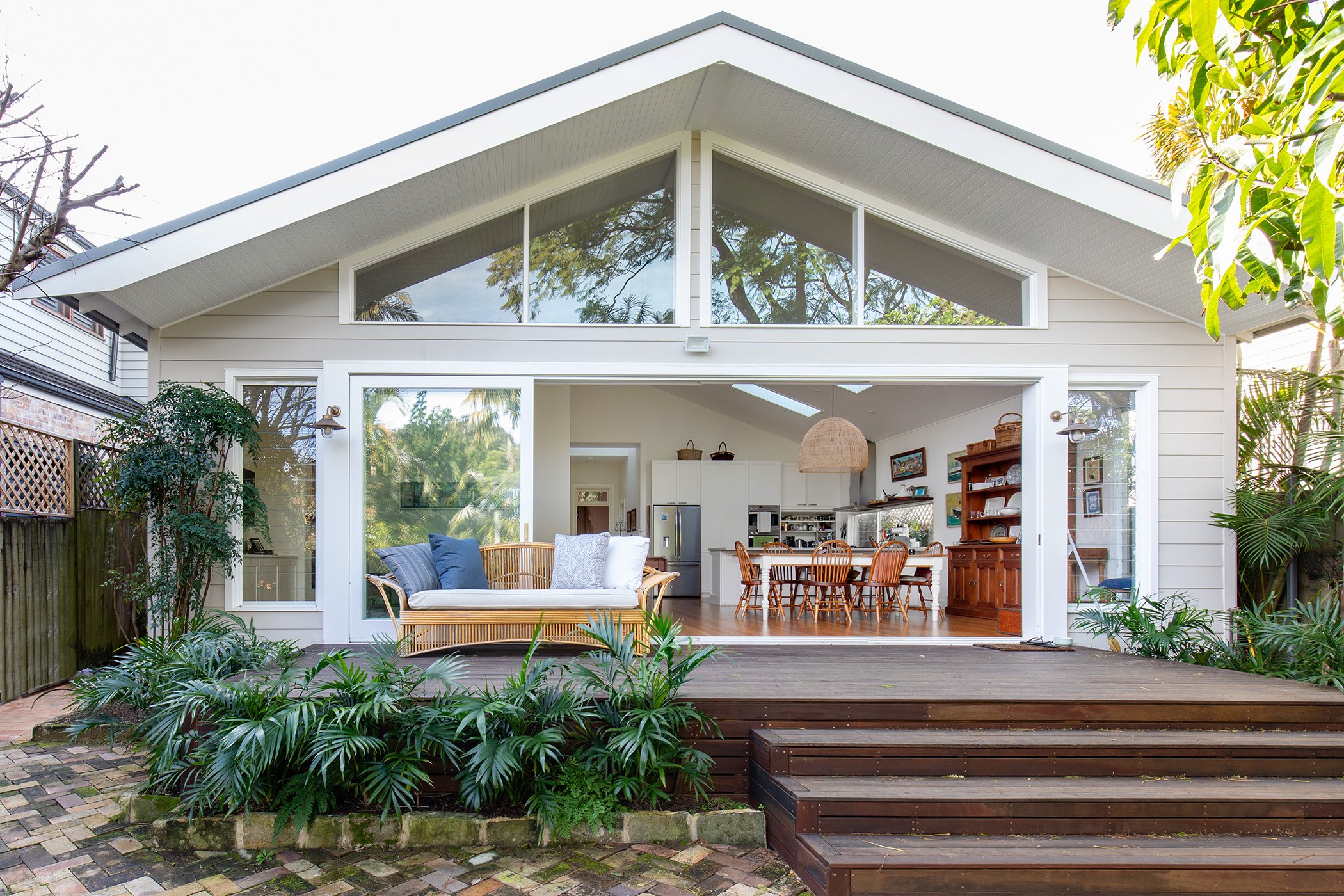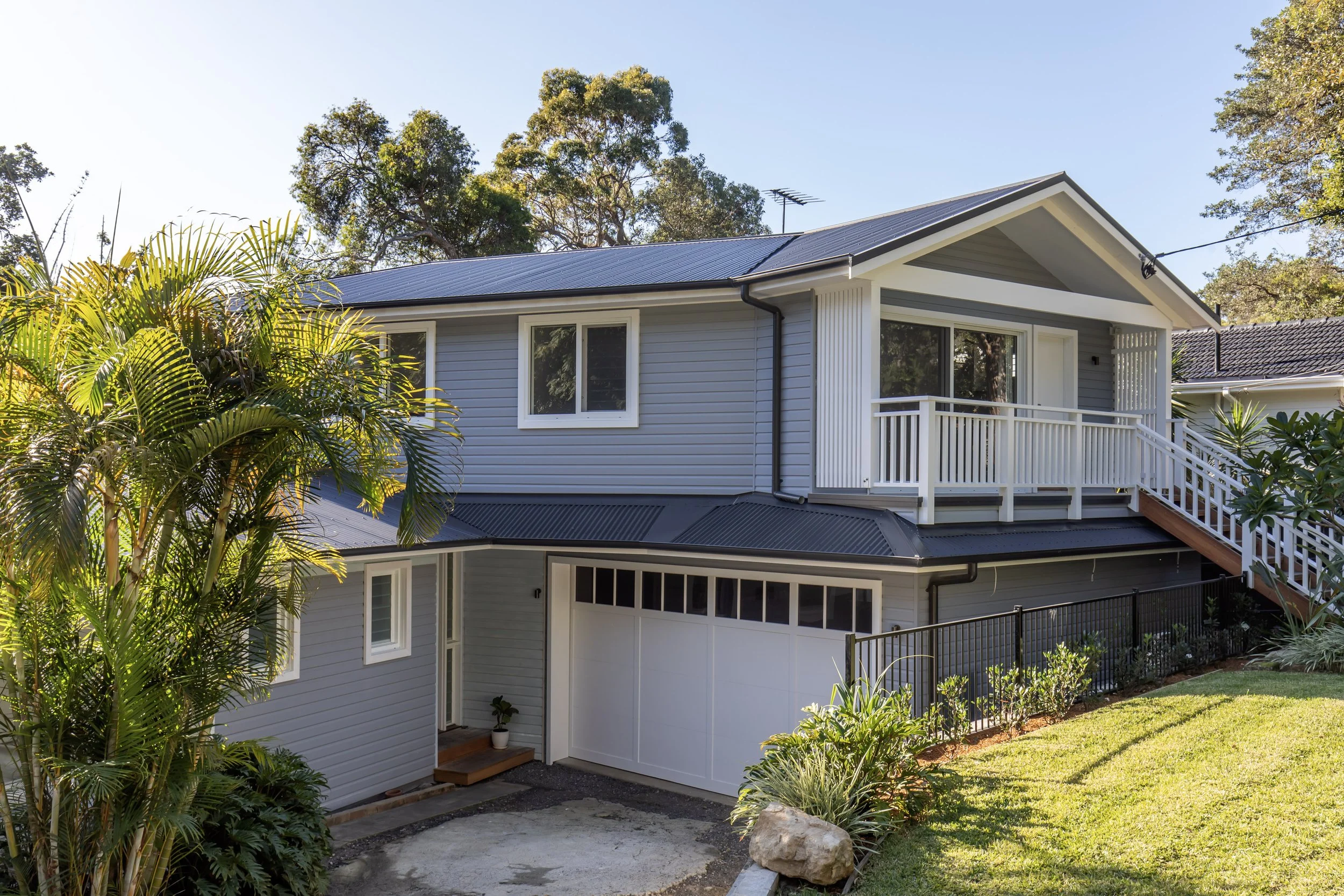
Why More Families Are Building for Generational Living
Across Sydney and the Central Coast, we’re seeing a big shift in how people are using their homes.
Instead of upsizing or moving, families are choosing to:
Keep parents close
Create space for adult kids
Add flexible living areas for the future
And the most efficient way to do that?
👉 On-ground extensions and granny flats
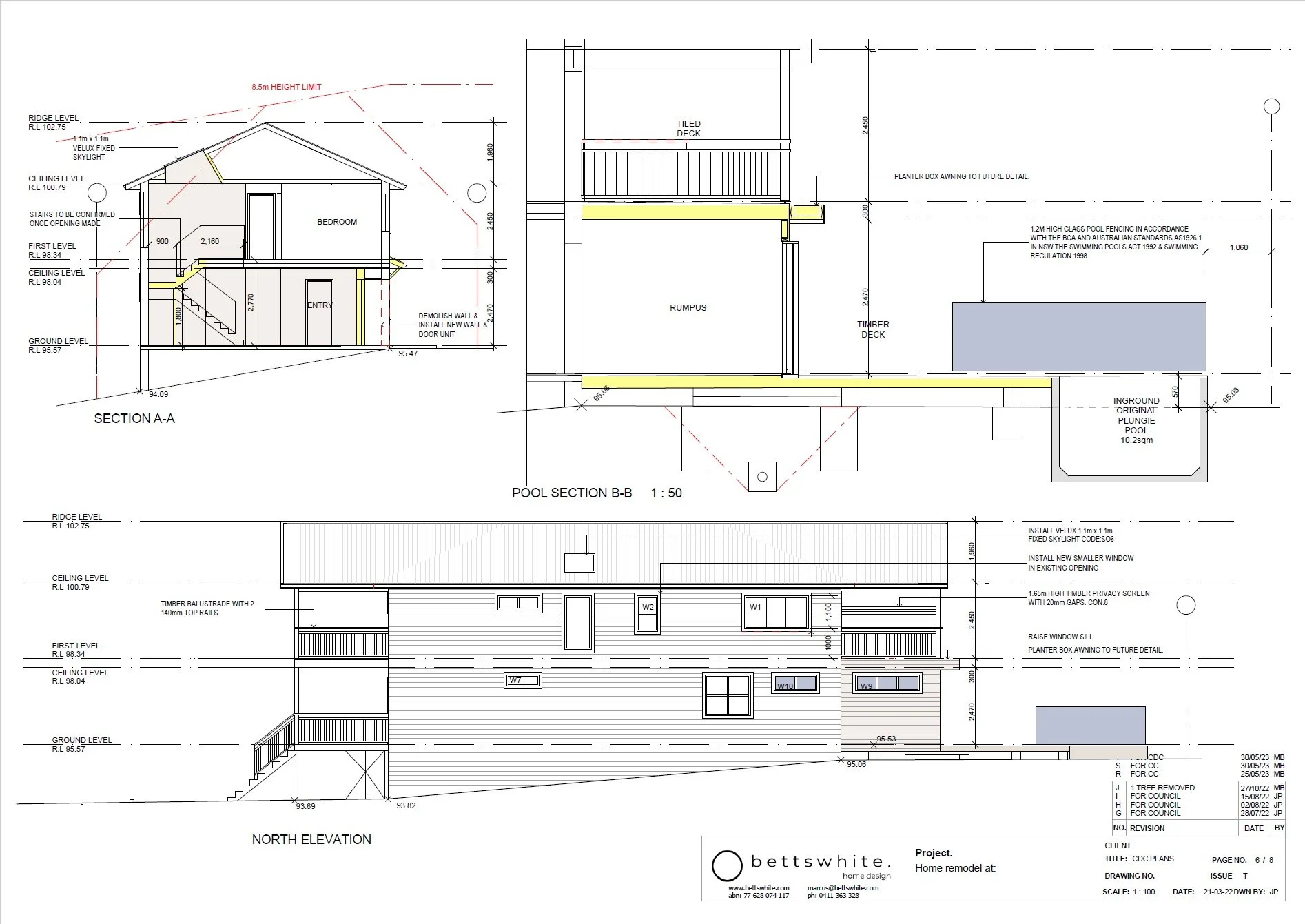
They’re often more cost-effective, easier to approve, and can usually be done under a CDC if designed properly.
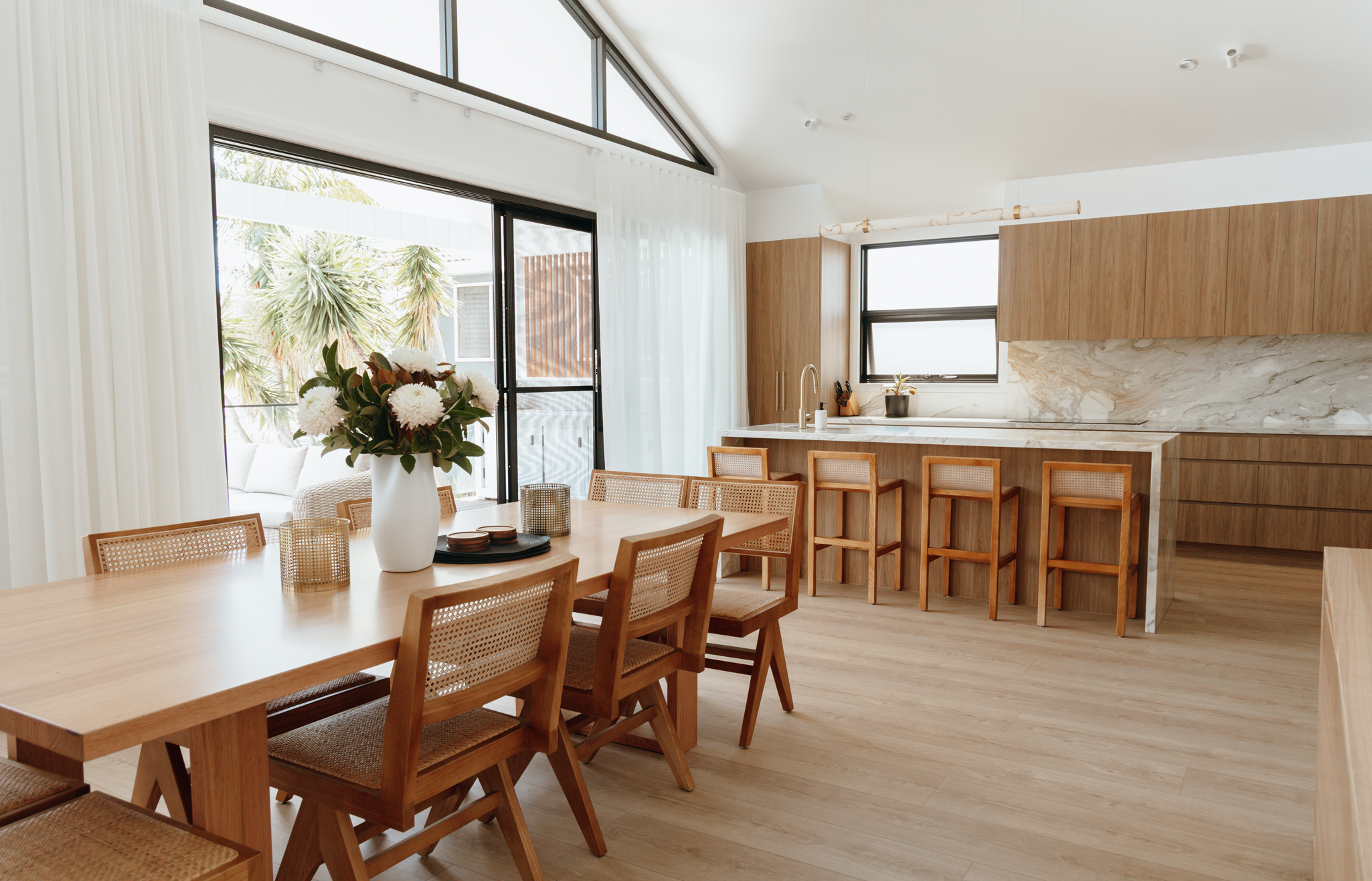
What Is an On-Ground Extension?
An on-ground extension is exactly what it sounds like:
Extending your home at ground level
No structural tie-ins upstairs
Typically simpler construction
This makes it ideal for:
Adding a bedroom + bathroom
Creating a secondary living space
Designing semi-independent zones for family members
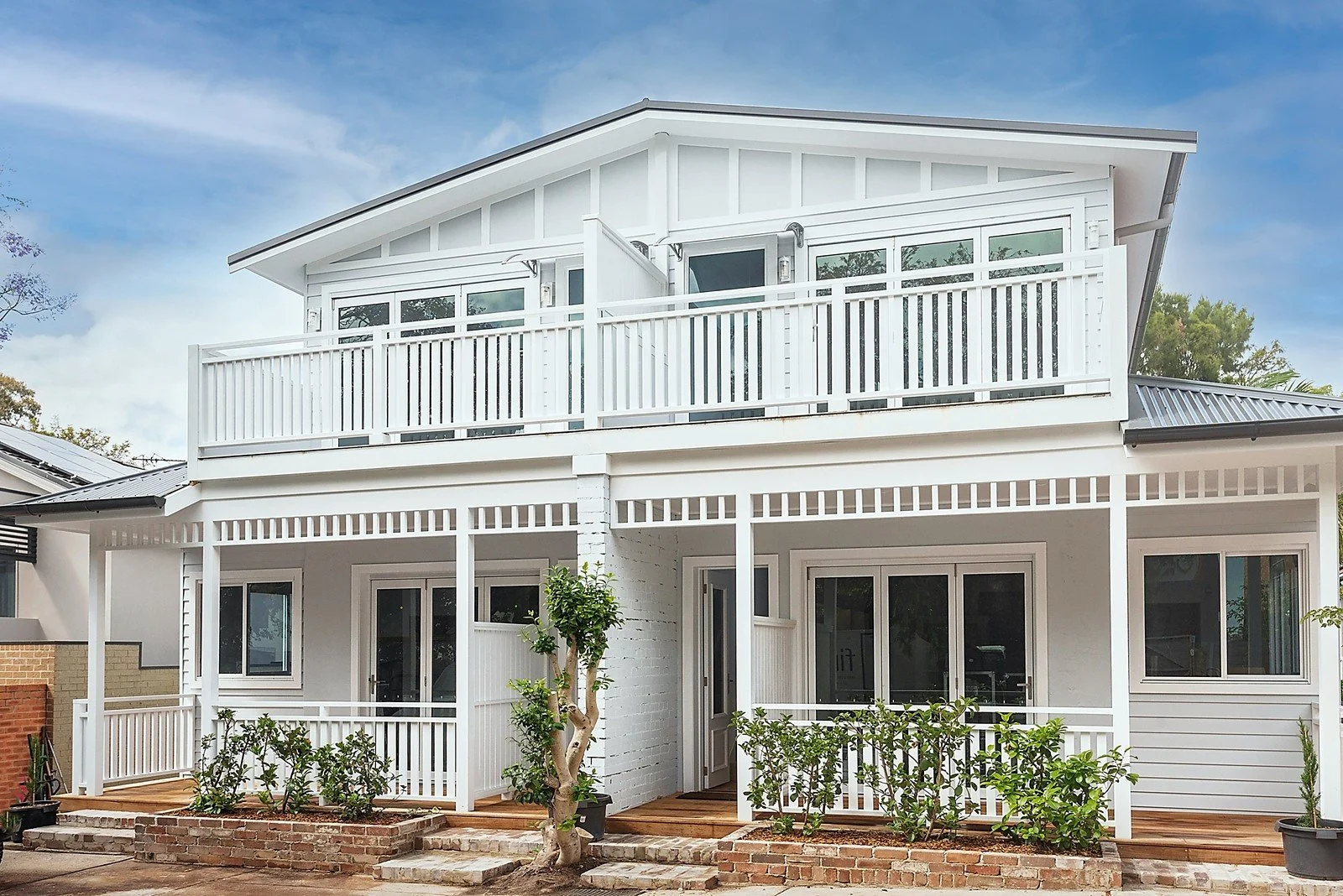
Granny Flats
Granny flats (secondary dwellings) are one of the most searched and requested project types we’re seeing right now.
They’re being used for:
Parents moving closer to family
Teenagers needing space
Rental income
Work-from-home setups
Under the State Environmental Planning Policy (Housing) 2021, many granny flats can be approved as a CDC (Complying Development Certificate), which is much faster than a DA.
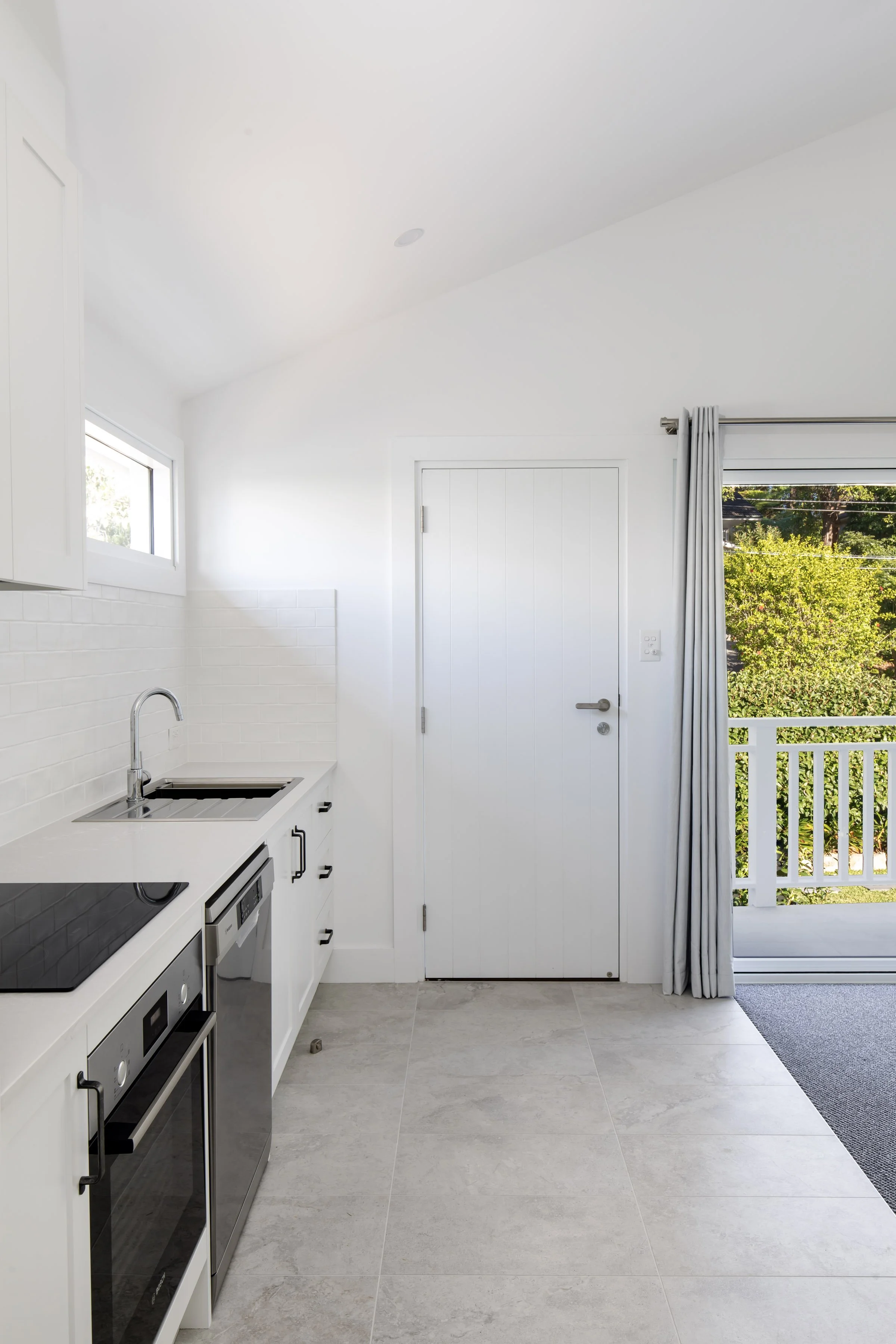
Typical CDC Rules You Need to Know
CDC is a great pathway — but only if your design ticks the boxes.
Here are some of the key rules we deal with daily at Bettswhite:
📏 Lot Requirements
Minimum lot size: typically 450 m² for granny flats
Must be a lawfully created lot
🏠 Maximum Floor Area
Granny flats are generally capped at 60 m² internal floor area
📐 Setbacks
Rear setback: typically 3 m
Side setbacks: depend on lot width and zoning
🌿 Private Open Space
Minimum landscaped area must be maintained
You can’t overbuild the site
🚗 Parking
In many cases, no additional parking is required under CDC
(but this depends on location and existing dwelling)
🔥 Fire Separation
Critical for:
Narrow lots
Boundary walls
Ties into the National Construction Code
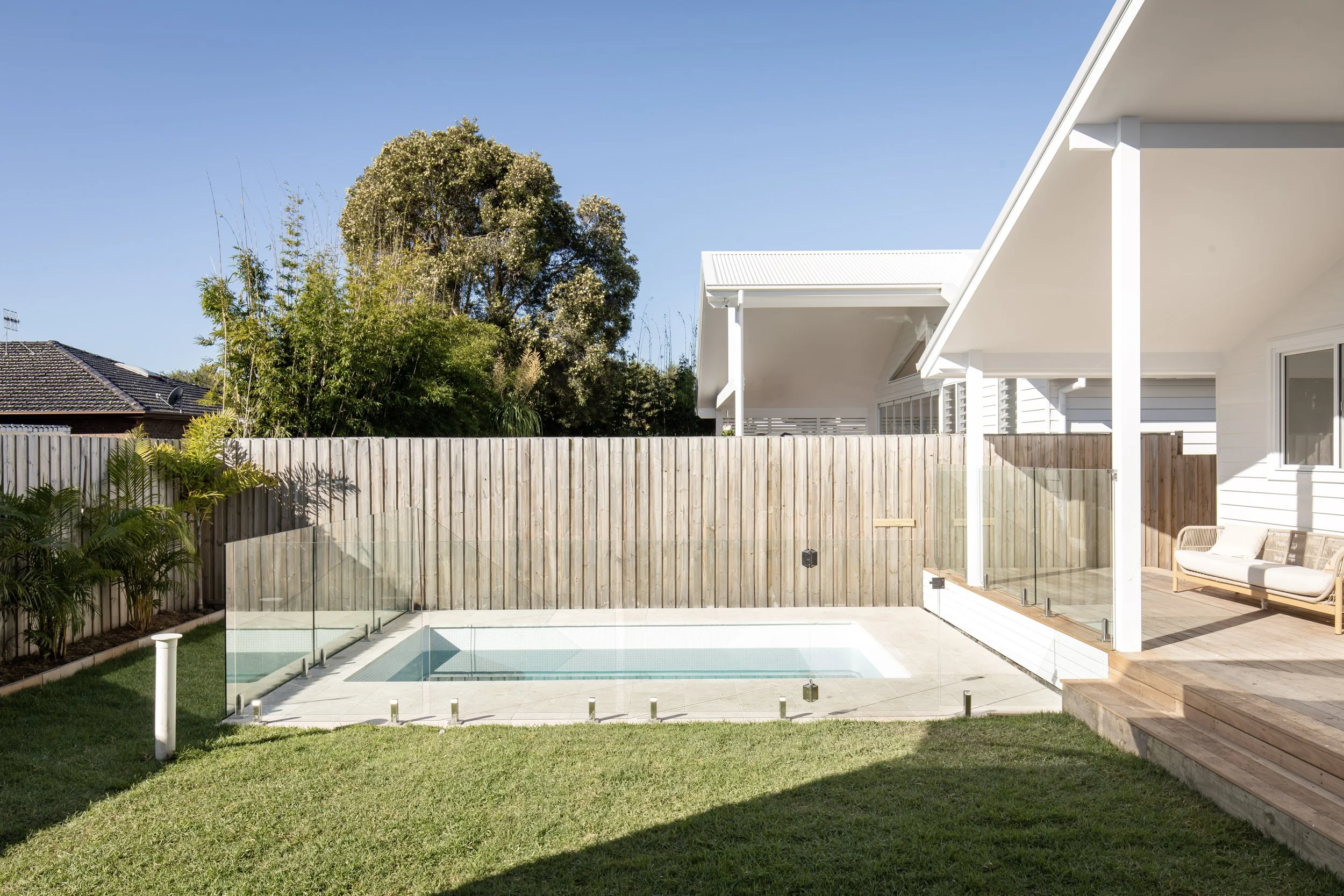
Why CDC Works So Well for These Projects
Compared to a DA through council, CDC offers:
⚡ Faster approvals (often 2–4 weeks)
📉 Lower holding costs
📐 Clear, measurable rules
But here’s the catch:
👉 If you miss one control, the whole CDC pathway can fall over
That’s where good upfront design makes all the difference.
Common Mistakes We See
A few things that regularly trip people up:
Designing a granny flat over 60 m²
Not allowing for setbacks early
Existing house already maxing out site coverage
Ignoring fire rating requirements
Assuming all sites qualify for CDC
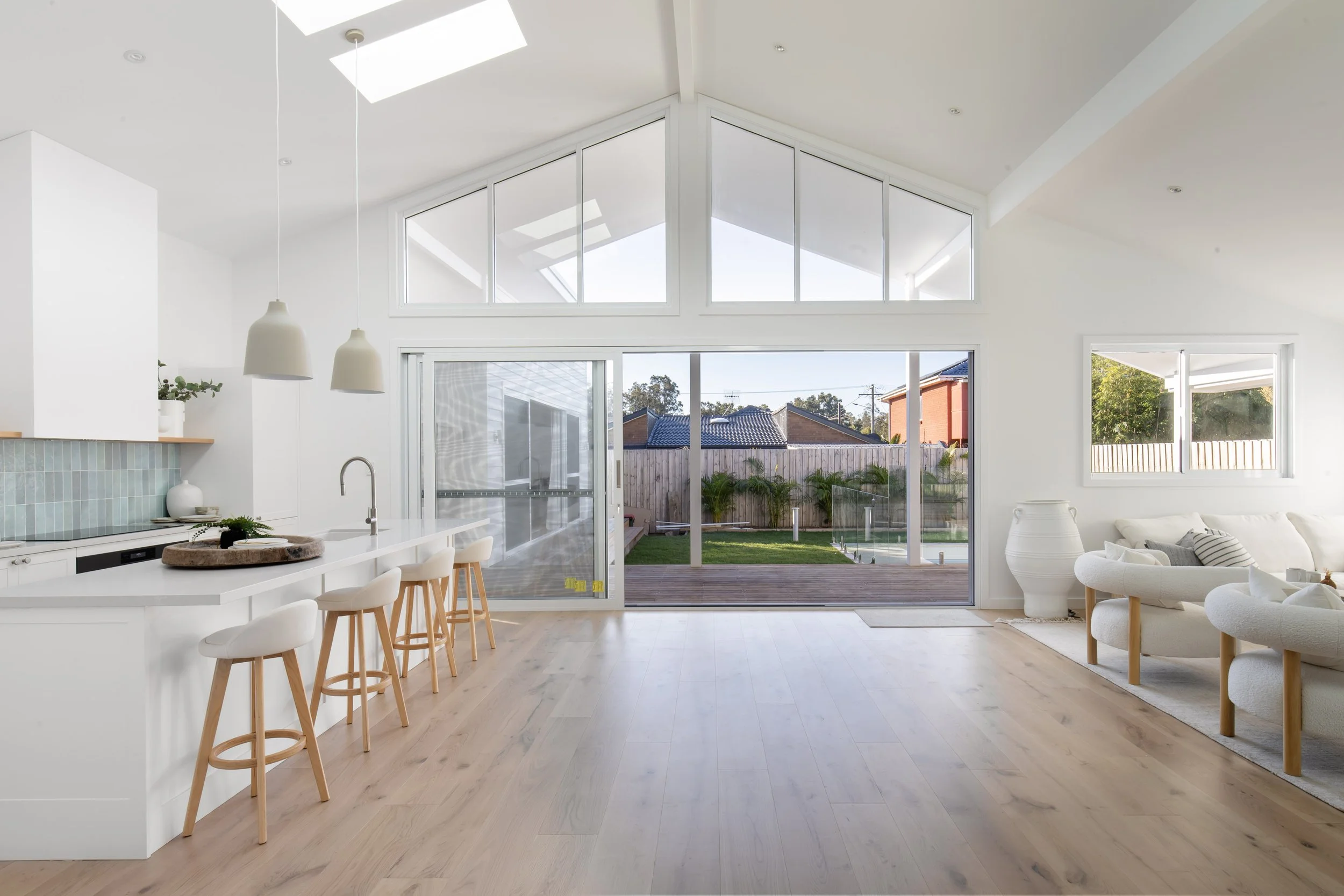
Designing It Right from the Start
At Bettswhite, we look at:
Whether your site suits CDC or DA
The best layout for privacy and long-term use
How to maximise value without overcapitalising
Future flexibility (rent, resale, family use)
Because a well-designed extension or granny flat should:
✔ Add value
✔ Improve how you live
✔ Work long-term as your needs change
Real Projects We’re Seeing Right Now
This week alone we’ve been working on:
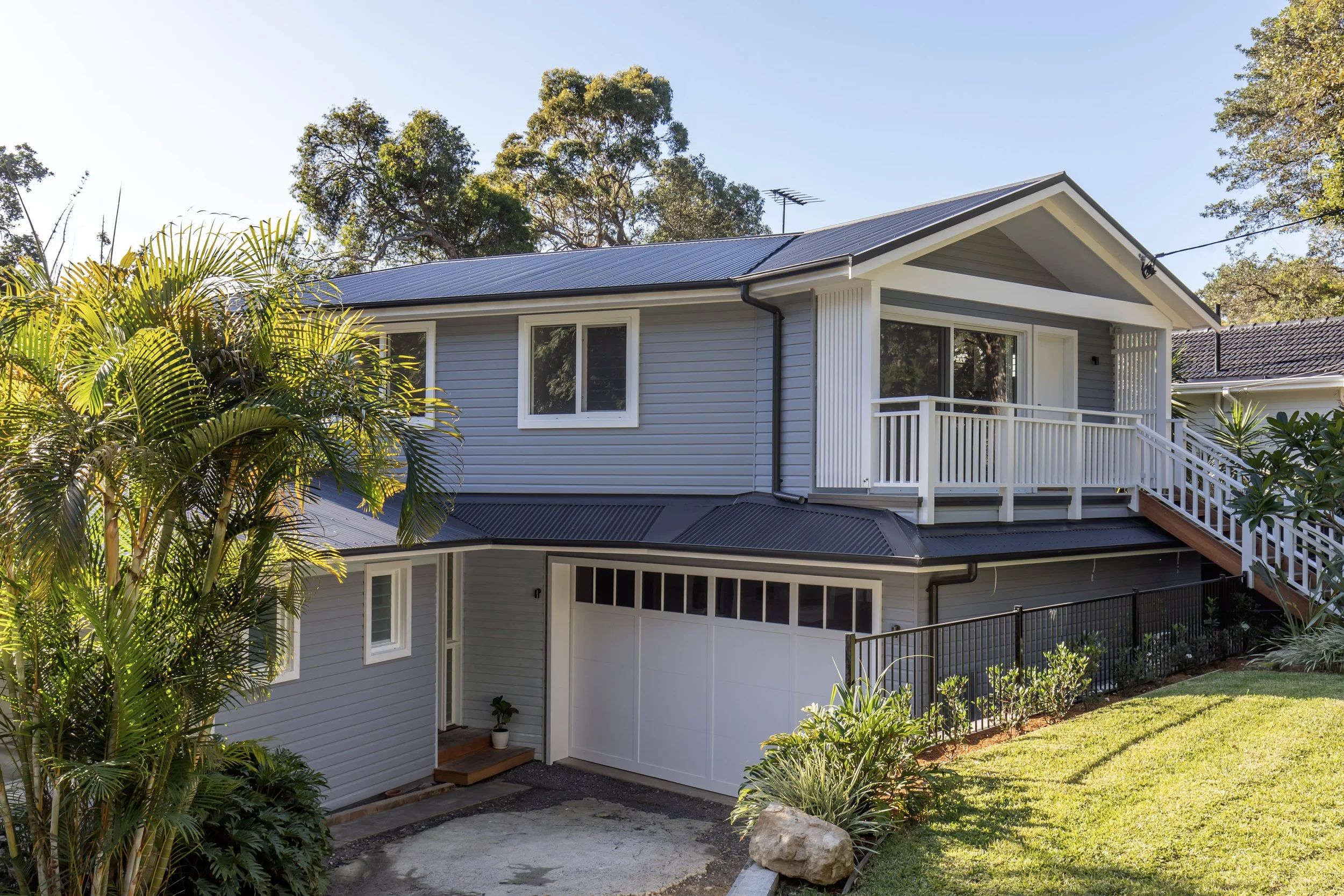
“Ugly duckling” homes ready for full transformation
A front-yard carport + pool DA (bit of a fun one)
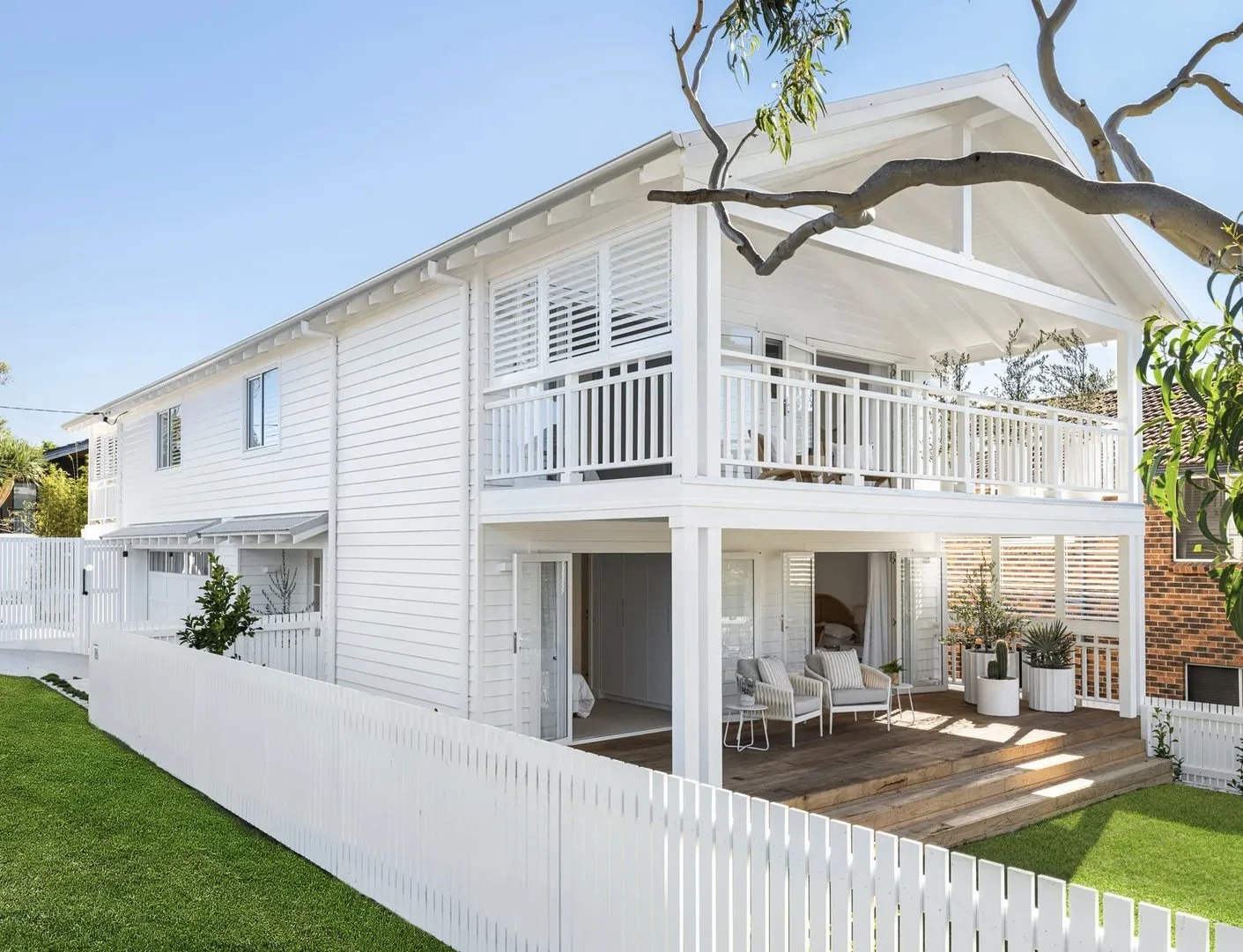
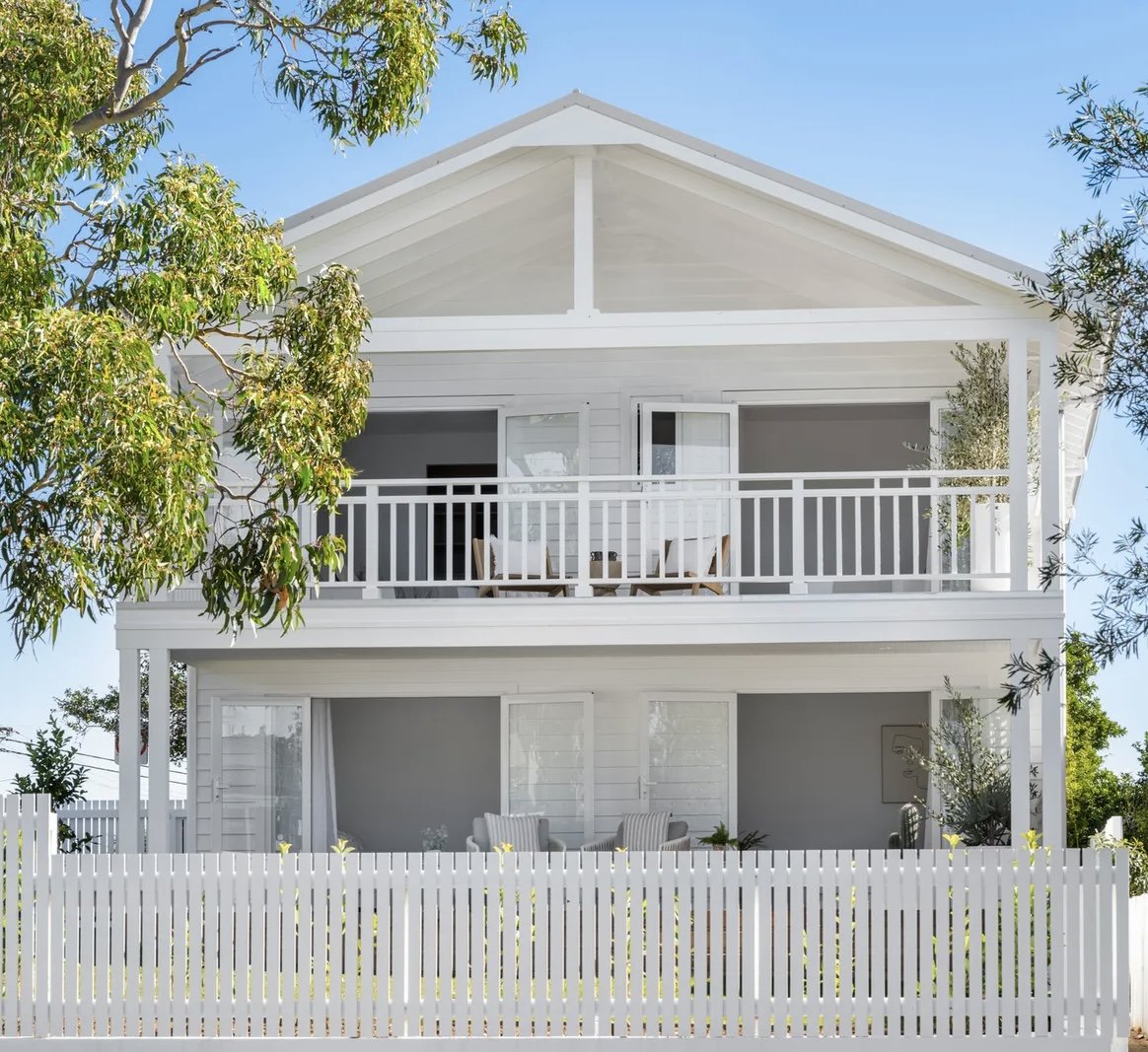
A large upstairs addition in Curl Curl
Full home renovations moving into CC
It’s a mix — but the common thread is:
👉 People are staying put and building smarter
Thinking About Adding Space to Your Home?
If you’re considering:
An on-ground extension
A granny flat
Or reworking your existing home
It’s worth having a quick conversation early — before plans go too far.
At Bettswhite, we can help you:
Understand if your site suits CDC
Map out the best design approach
Avoid costly redesigns later
Feel free to reach out if you want to talk through your project.
Even a quick chat can point you in the right direction.